2.1.4.3. The Global Teacher
A jegyzet hozzáadásához kérjük, lépj be!
Hivatkozások
Válaszd ki a számodra megfelelő formátumot:
| Harvard: | Divéki Rita (2024): Developing Global Competence in the Hungarian EFL Classroom. : Akadémiai Kiadó.
https://doi.org/10.1556/9789636640132Letöltve: https://uat.mersz.hu/hivatkozas/m1171digc_22_p1/#m1171digc_22_p1 (2026. 10. 12.)
| |
| Chicago: | Divéki Rita. 2024. Developing Global Competence in the Hungarian EFL Classroom. : Akadémiai Kiadó.
https://doi.org/10.1556/9789636640132(Letöltve: 2026. 10. 12.https://uat.mersz.hu/hivatkozas/m1171digc_22_p1/#m1171digc_22_p1) | |
| APA: | Divéki R. (2024). Developing Global Competence in the Hungarian EFL Classroom. Akadémiai Kiadó.
https://doi.org/10.1556/9789636640132. (Letöltve: 2026. 10. 12.https://uat.mersz.hu/hivatkozas/m1171digc_22_p1/#m1171digc_22_p1) |
Besides their role as agents of change, globally competent teachers, or global teachers (Pike & Selby, 1988) are supposed to have specific characteristics. To be credible in their role of promoting global citizenship, teachers, first and foremost, must become global citizens themselves (Andreotti, 2012). Several authors have attempted to draw up the profile of a competent global teacher and describe all the knowledge, skills, and attitudes they need to be able to nurture global citizens, including Pike and Selby (1988) in their signature book Global Teacher, Global Learner. According to them, a global teacher…
A jegyzet hozzáadásához kérjük, lépj be!
Hivatkozások
Válaszd ki a számodra megfelelő formátumot:
| Harvard: | Divéki Rita (2024): Developing Global Competence in the Hungarian EFL Classroom. : Akadémiai Kiadó.
https://doi.org/10.1556/9789636640132Letöltve: https://uat.mersz.hu/hivatkozas/m1171digc_22_p2/#m1171digc_22_p2 (2026. 10. 12.)
| |
| Chicago: | Divéki Rita. 2024. Developing Global Competence in the Hungarian EFL Classroom. : Akadémiai Kiadó.
https://doi.org/10.1556/9789636640132(Letöltve: 2026. 10. 12.https://uat.mersz.hu/hivatkozas/m1171digc_22_p2/#m1171digc_22_p2) | |
| APA: | Divéki R. (2024). Developing Global Competence in the Hungarian EFL Classroom. Akadémiai Kiadó.
https://doi.org/10.1556/9789636640132. (Letöltve: 2026. 10. 12.https://uat.mersz.hu/hivatkozas/m1171digc_22_p2/#m1171digc_22_p2) |
- is ‘global centric’ rather than ethnocentric or nation-centric;
- is concerned about culture and perspective;
- is future-oriented;
- is a facilitator;
- has a profound belief in human potential;
- is concerned with the development of the whole person;
- employs a range of teaching/learning styles in the classroom;
- sees learning as a life-long process;
- tries to be congruent;
- is rights-respectful and seeks to shift the focus and locus of power and decision-making in the classroom;
- seeks functional interdependence across the curriculum;
- is a community teacher (pp. 272–274).
A jegyzet hozzáadásához kérjük, lépj be!
Hivatkozások
Válaszd ki a számodra megfelelő formátumot:
| Harvard: | Divéki Rita (2024): Developing Global Competence in the Hungarian EFL Classroom. : Akadémiai Kiadó.
https://doi.org/10.1556/9789636640132Letöltve: https://uat.mersz.hu/hivatkozas/m1171digc_22_p4/#m1171digc_22_p4 (2026. 10. 12.)
| |
| Chicago: | Divéki Rita. 2024. Developing Global Competence in the Hungarian EFL Classroom. : Akadémiai Kiadó.
https://doi.org/10.1556/9789636640132(Letöltve: 2026. 10. 12.https://uat.mersz.hu/hivatkozas/m1171digc_22_p4/#m1171digc_22_p4) | |
| APA: | Divéki R. (2024). Developing Global Competence in the Hungarian EFL Classroom. Akadémiai Kiadó.
https://doi.org/10.1556/9789636640132. (Letöltve: 2026. 10. 12.https://uat.mersz.hu/hivatkozas/m1171digc_22_p4/#m1171digc_22_p4) |
The Longview Foundation (n.d.), in their Teacher Preparation for a Global Age also claim that global teachers need to be global citizens, who have the following competences:
A jegyzet hozzáadásához kérjük, lépj be!
Hivatkozások
Válaszd ki a számodra megfelelő formátumot:
| Harvard: | Divéki Rita (2024): Developing Global Competence in the Hungarian EFL Classroom. : Akadémiai Kiadó.
https://doi.org/10.1556/9789636640132Letöltve: https://uat.mersz.hu/hivatkozas/m1171digc_22_p5/#m1171digc_22_p5 (2026. 10. 12.)
| |
| Chicago: | Divéki Rita. 2024. Developing Global Competence in the Hungarian EFL Classroom. : Akadémiai Kiadó.
https://doi.org/10.1556/9789636640132(Letöltve: 2026. 10. 12.https://uat.mersz.hu/hivatkozas/m1171digc_22_p5/#m1171digc_22_p5) | |
| APA: | Divéki R. (2024). Developing Global Competence in the Hungarian EFL Classroom. Akadémiai Kiadó.
https://doi.org/10.1556/9789636640132. (Letöltve: 2026. 10. 12.https://uat.mersz.hu/hivatkozas/m1171digc_22_p5/#m1171digc_22_p5) |
- Knowledge and curiosity about the world’s history, geography, cultures, environmental and economic systems and current international issues;
- Language and cross-cultural skills to communicate effectively with people from other countries, understand multiple perspectives, and use primary sources from around the globe;
- A commitment to ethical citizenship.
A jegyzet hozzáadásához kérjük, lépj be!
Hivatkozások
Válaszd ki a számodra megfelelő formátumot:
| Harvard: | Divéki Rita (2024): Developing Global Competence in the Hungarian EFL Classroom. : Akadémiai Kiadó.
https://doi.org/10.1556/9789636640132Letöltve: https://uat.mersz.hu/hivatkozas/m1171digc_22_p7/#m1171digc_22_p7 (2026. 10. 12.)
| |
| Chicago: | Divéki Rita. 2024. Developing Global Competence in the Hungarian EFL Classroom. : Akadémiai Kiadó.
https://doi.org/10.1556/9789636640132(Letöltve: 2026. 10. 12.https://uat.mersz.hu/hivatkozas/m1171digc_22_p7/#m1171digc_22_p7) | |
| APA: | Divéki R. (2024). Developing Global Competence in the Hungarian EFL Classroom. Akadémiai Kiadó.
https://doi.org/10.1556/9789636640132. (Letöltve: 2026. 10. 12.https://uat.mersz.hu/hivatkozas/m1171digc_22_p7/#m1171digc_22_p7) |
Apart from these competences, they also have:
A jegyzet hozzáadásához kérjük, lépj be!
Hivatkozások
Válaszd ki a számodra megfelelő formátumot:
| Harvard: | Divéki Rita (2024): Developing Global Competence in the Hungarian EFL Classroom. : Akadémiai Kiadó.
https://doi.org/10.1556/9789636640132Letöltve: https://uat.mersz.hu/hivatkozas/m1171digc_22_p8/#m1171digc_22_p8 (2026. 10. 12.)
| |
| Chicago: | Divéki Rita. 2024. Developing Global Competence in the Hungarian EFL Classroom. : Akadémiai Kiadó.
https://doi.org/10.1556/9789636640132(Letöltve: 2026. 10. 12.https://uat.mersz.hu/hivatkozas/m1171digc_22_p8/#m1171digc_22_p8) | |
| APA: | Divéki R. (2024). Developing Global Competence in the Hungarian EFL Classroom. Akadémiai Kiadó.
https://doi.org/10.1556/9789636640132. (Letöltve: 2026. 10. 12.https://uat.mersz.hu/hivatkozas/m1171digc_22_p8/#m1171digc_22_p8) |
- Knowledge of the international dimensions of their subject matter and a range of global issues;
- Pedagogical skills to teach their students to analyse primary sources from around the world, appreciate multiple points of view, and recognise stereotyping;
- A commitment to assisting students to become responsible citizens both of the world and their own communities (p. 7).
A jegyzet hozzáadásához kérjük, lépj be!
Hivatkozások
Válaszd ki a számodra megfelelő formátumot:
| Harvard: | Divéki Rita (2024): Developing Global Competence in the Hungarian EFL Classroom. : Akadémiai Kiadó.
https://doi.org/10.1556/9789636640132Letöltve: https://uat.mersz.hu/hivatkozas/m1171digc_22_p10/#m1171digc_22_p10 (2026. 10. 12.)
| |
| Chicago: | Divéki Rita. 2024. Developing Global Competence in the Hungarian EFL Classroom. : Akadémiai Kiadó.
https://doi.org/10.1556/9789636640132(Letöltve: 2026. 10. 12.https://uat.mersz.hu/hivatkozas/m1171digc_22_p10/#m1171digc_22_p10) | |
| APA: | Divéki R. (2024). Developing Global Competence in the Hungarian EFL Classroom. Akadémiai Kiadó.
https://doi.org/10.1556/9789636640132. (Letöltve: 2026. 10. 12.https://uat.mersz.hu/hivatkozas/m1171digc_22_p10/#m1171digc_22_p10) |
UNESCO (2018, p. 5) promotes a similar set of competences for global teachers: educators need to “[have] strong subject and pedagogic content knowledge, possess effective classroom management skills, readily adopt new technologies, and be inclusive and sensitive to the diverse needs of their students”. According to Cates (2004), EFL teachers “have a special role to play” in nurturing global citizens and they need to follow the next 10 steps to become global teachers:
A jegyzet hozzáadásához kérjük, lépj be!
Hivatkozások
Válaszd ki a számodra megfelelő formátumot:
| Harvard: | Divéki Rita (2024): Developing Global Competence in the Hungarian EFL Classroom. : Akadémiai Kiadó.
https://doi.org/10.1556/9789636640132Letöltve: https://uat.mersz.hu/hivatkozas/m1171digc_22_p11/#m1171digc_22_p11 (2026. 10. 12.)
| |
| Chicago: | Divéki Rita. 2024. Developing Global Competence in the Hungarian EFL Classroom. : Akadémiai Kiadó.
https://doi.org/10.1556/9789636640132(Letöltve: 2026. 10. 12.https://uat.mersz.hu/hivatkozas/m1171digc_22_p11/#m1171digc_22_p11) | |
| APA: | Divéki R. (2024). Developing Global Competence in the Hungarian EFL Classroom. Akadémiai Kiadó.
https://doi.org/10.1556/9789636640132. (Letöltve: 2026. 10. 12.https://uat.mersz.hu/hivatkozas/m1171digc_22_p11/#m1171digc_22_p11) |
- Rethink the role of English (it should be seen as an international language for communication with people and as a subject matter for learning about the world’s people, countries and problems);
- Rethink your role as a teacher (being a global educator instead of a simple language teacher);
- Rethink your classroom atmosphere (make it an environmentally friendly classroom and a dynamic space which promotes active learning);
- Integrate global topics into your teaching (use a dual syllabus containing language learning goals and global education goals as well);
- Experiment with global education activities (use different work modes and a wide range of activities, e.g., games, role-plays and videos);
- Make use of your international experience in class;
- Organise extra-curricular activities;
- Explore Global Education and related fields (e.g., peace education, human rights education, environmental education);
- Join a Global Issues Special Interest Group (to get inspirations and resources for teaching);
- Deepen your knowledge through professional development.
A jegyzet hozzáadásához kérjük, lépj be!
Hivatkozások
Válaszd ki a számodra megfelelő formátumot:
| Harvard: | Divéki Rita (2024): Developing Global Competence in the Hungarian EFL Classroom. : Akadémiai Kiadó.
https://doi.org/10.1556/9789636640132Letöltve: https://uat.mersz.hu/hivatkozas/m1171digc_22_p13/#m1171digc_22_p13 (2026. 10. 12.)
| |
| Chicago: | Divéki Rita. 2024. Developing Global Competence in the Hungarian EFL Classroom. : Akadémiai Kiadó.
https://doi.org/10.1556/9789636640132(Letöltve: 2026. 10. 12.https://uat.mersz.hu/hivatkozas/m1171digc_22_p13/#m1171digc_22_p13) | |
| APA: | Divéki R. (2024). Developing Global Competence in the Hungarian EFL Classroom. Akadémiai Kiadó.
https://doi.org/10.1556/9789636640132. (Letöltve: 2026. 10. 12.https://uat.mersz.hu/hivatkozas/m1171digc_22_p13/#m1171digc_22_p13) |
Based on the above-described frameworks, Figure 2.4 synthetises the most important characteristics necessary for globally competent teachers, categorised into knowledge, skills, attitudes, values, and pedagogical content knowledge.
A jegyzet hozzáadásához kérjük, lépj be!
Hivatkozások
Válaszd ki a számodra megfelelő formátumot:
| Harvard: | Divéki Rita (2024): Developing Global Competence in the Hungarian EFL Classroom. : Akadémiai Kiadó.
https://doi.org/10.1556/9789636640132Letöltve: https://uat.mersz.hu/hivatkozas/m1171digc_fig_3/#m1171digc_fig_3 (2026. 10. 12.)
| |
| Chicago: | Divéki Rita. 2024. Developing Global Competence in the Hungarian EFL Classroom. : Akadémiai Kiadó.
https://doi.org/10.1556/9789636640132(Letöltve: 2026. 10. 12.https://uat.mersz.hu/hivatkozas/m1171digc_fig_3/#m1171digc_fig_3) | |
| APA: | Divéki R. (2024). Developing Global Competence in the Hungarian EFL Classroom. Akadémiai Kiadó.
https://doi.org/10.1556/9789636640132. (Letöltve: 2026. 10. 12.https://uat.mersz.hu/hivatkozas/m1171digc_fig_3/#m1171digc_fig_3) |
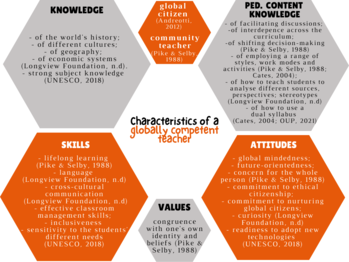
Figure 2.4 The Characteristics of Globally Competent Teachers Based on the Literature
Note. Ped. content knowledge = Pedagogical content knowledge.
A jegyzet hozzáadásához kérjük, lépj be!
Hivatkozások
Válaszd ki a számodra megfelelő formátumot:
| Harvard: | Divéki Rita (2024): Developing Global Competence in the Hungarian EFL Classroom. : Akadémiai Kiadó.
https://doi.org/10.1556/9789636640132Letöltve: https://uat.mersz.hu/hivatkozas/m1171digc_22_p16/#m1171digc_22_p16 (2026. 10. 12.)
| |
| Chicago: | Divéki Rita. 2024. Developing Global Competence in the Hungarian EFL Classroom. : Akadémiai Kiadó.
https://doi.org/10.1556/9789636640132(Letöltve: 2026. 10. 12.https://uat.mersz.hu/hivatkozas/m1171digc_22_p16/#m1171digc_22_p16) | |
| APA: | Divéki R. (2024). Developing Global Competence in the Hungarian EFL Classroom. Akadémiai Kiadó.
https://doi.org/10.1556/9789636640132. (Letöltve: 2026. 10. 12.https://uat.mersz.hu/hivatkozas/m1171digc_22_p16/#m1171digc_22_p16) |
As can be seen from Figure 2.4, becoming a globally competent teacher is not an easy undertaking, as it warrants a great deal of preparation and a new type of pedagogical thinking from teachers. Nevertheless, it seems easier for language teachers, who can incorporate the global perspective by using a dual syllabus containing both language learning and global education goals (Oxford University Press, 2019), who can use different work modes and activities in the framework of communicative language teaching, and who have various continuous professional development opportunities. It is important to emphasise though that teachers are instrumental in incorporating the global perspective into their lessons, as they are role models for their students and they are the decision-makers in pedagogical processes, so failing to educate globally competent teachers may hinder the large-scale implementation of GCED (UNESCO, 2018).