9.6.7.1.3. Non-human referents
A jegyzet hozzáadásához kérjük, lépj be!
Hivatkozások
Válaszd ki a számodra megfelelő formátumot:
| Harvard: | Jenei Gabriella (2024): Referential Cohesion in Academic Writing. : Akadémiai Kiadó.
https://doi.org/10.1556/9789636640491Letöltve: https://uat.mersz.hu/hivatkozas/m1211rciaw_145_p1/#m1211rciaw_145_p1 (2026. 10. 11.)
| |
| Chicago: | Jenei Gabriella. 2024. Referential Cohesion in Academic Writing. : Akadémiai Kiadó.
https://doi.org/10.1556/9789636640491(Letöltve: 2026. 10. 11.https://uat.mersz.hu/hivatkozas/m1211rciaw_145_p1/#m1211rciaw_145_p1) | |
| APA: | Jenei G. (2024). Referential Cohesion in Academic Writing. Akadémiai Kiadó.
https://doi.org/10.1556/9789636640491. (Letöltve: 2026. 10. 11.https://uat.mersz.hu/hivatkozas/m1211rciaw_145_p1/#m1211rciaw_145_p1) |
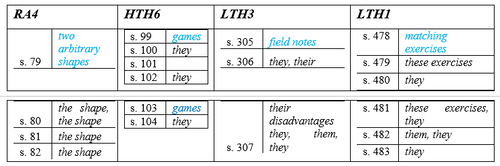
The high frequency of the plurals they and their is explained by the fact that they are commonly used to refer to non-human referents: research tools, questionnaires, methods or studies. In this respect, low-rated theses differed considerably from research articles. When it came to non-human referents, RAs were more likely to use demonstratives, determiners or exact repetition, while MA theses maintained the identity of the referent with plural pronouns (see Table 25).
A jegyzet hozzáadásához kérjük, lépj be!
Hivatkozások
Válaszd ki a számodra megfelelő formátumot:
| Harvard: | Jenei Gabriella (2024): Referential Cohesion in Academic Writing. : Akadémiai Kiadó.
https://doi.org/10.1556/9789636640491Letöltve: https://uat.mersz.hu/hivatkozas/m1211rciaw_table_28/#m1211rciaw_table_28 (2026. 10. 11.)
| |
| Chicago: | Jenei Gabriella. 2024. Referential Cohesion in Academic Writing. : Akadémiai Kiadó.
https://doi.org/10.1556/9789636640491(Letöltve: 2026. 10. 11.https://uat.mersz.hu/hivatkozas/m1211rciaw_table_28/#m1211rciaw_table_28) | |
| APA: | Jenei G. (2024). Referential Cohesion in Academic Writing. Akadémiai Kiadó.
https://doi.org/10.1556/9789636640491. (Letöltve: 2026. 10. 11.https://uat.mersz.hu/hivatkozas/m1211rciaw_table_28/#m1211rciaw_table_28) |
Table 25 Cohesive reference to research tools
A jegyzet hozzáadásához kérjük, lépj be! HivatkozásokVálaszd ki a számodra megfelelő formátumot:
 |
A jegyzet hozzáadásához kérjük, lépj be!
Hivatkozások
Válaszd ki a számodra megfelelő formátumot:
| Harvard: | Jenei Gabriella (2024): Referential Cohesion in Academic Writing. : Akadémiai Kiadó.
https://doi.org/10.1556/9789636640491Letöltve: https://uat.mersz.hu/hivatkozas/m1211rciaw_145_p4/#m1211rciaw_145_p4 (2026. 10. 11.)
| |
| Chicago: | Jenei Gabriella. 2024. Referential Cohesion in Academic Writing. : Akadémiai Kiadó.
https://doi.org/10.1556/9789636640491(Letöltve: 2026. 10. 11.https://uat.mersz.hu/hivatkozas/m1211rciaw_145_p4/#m1211rciaw_145_p4) | |
| APA: | Jenei G. (2024). Referential Cohesion in Academic Writing. Akadémiai Kiadó.
https://doi.org/10.1556/9789636640491. (Letöltve: 2026. 10. 11.https://uat.mersz.hu/hivatkozas/m1211rciaw_145_p4/#m1211rciaw_145_p4) |
This is particularly true for low-rated theses, where the outstanding proportion of plural pronouns is not due to reference to participants, as it was hypothesized by the author, but to reference to research tools. Last, but not least, nothing has been said about the singular neutral pronoun (it), even though it is the second most frequent pronoun in the corpus after the plural nominative they, as shown in Figure 24. In total, while this is the most frequent pronoun in the academic corpus; only 10–19% of its occurrences participated in a cohesive tie. The three non-cohesive functions that cover the rest of the occurrences are sentence-internal (or grammatical) reference, functioning as a dummy subject, or being the subject in an anticipatory clause. As for the cohesive functions, unsurprisingly it was used to refer to singular objects, events, ideas, that is, a wide range of singular, non-human entities.
A jegyzet hozzáadásához kérjük, lépj be!
Hivatkozások
Válaszd ki a számodra megfelelő formátumot:
| Harvard: | Jenei Gabriella (2024): Referential Cohesion in Academic Writing. : Akadémiai Kiadó.
https://doi.org/10.1556/9789636640491Letöltve: https://uat.mersz.hu/hivatkozas/m1211rciaw_145_p5/#m1211rciaw_145_p5 (2026. 10. 11.)
| |
| Chicago: | Jenei Gabriella. 2024. Referential Cohesion in Academic Writing. : Akadémiai Kiadó.
https://doi.org/10.1556/9789636640491(Letöltve: 2026. 10. 11.https://uat.mersz.hu/hivatkozas/m1211rciaw_145_p5/#m1211rciaw_145_p5) | |
| APA: | Jenei G. (2024). Referential Cohesion in Academic Writing. Akadémiai Kiadó.
https://doi.org/10.1556/9789636640491. (Letöltve: 2026. 10. 11.https://uat.mersz.hu/hivatkozas/m1211rciaw_145_p5/#m1211rciaw_145_p5) |
Concerning demonstratives and adverbs, in all the corpora the highest frequency item is the definite article. In Figure 24, the total number in the normalized table (i.e. for the comparability of the data, total numbers were divided by the number of words in the corpus) was further divided by 10 for the data to appear in this table together with the other demonstratives. Overall, Figure 24 shows that while RAs use fewer pronouns than theses, the opposite is true for demonstrative reference. This supports the observation that where thesis writers use pronouns, RA writers tend to replace them by demonstratives, especially with demonstratives expressing proximity. The three adverbials here, there and then were equally rare in all three corpora.
A jegyzet hozzáadásához kérjük, lépj be!
Hivatkozások
Válaszd ki a számodra megfelelő formátumot:
| Harvard: | Jenei Gabriella (2024): Referential Cohesion in Academic Writing. : Akadémiai Kiadó.
https://doi.org/10.1556/9789636640491Letöltve: https://uat.mersz.hu/hivatkozas/m1211rciaw_fig_38/#m1211rciaw_fig_38 (2026. 10. 11.)
| |
| Chicago: | Jenei Gabriella. 2024. Referential Cohesion in Academic Writing. : Akadémiai Kiadó.
https://doi.org/10.1556/9789636640491(Letöltve: 2026. 10. 11.https://uat.mersz.hu/hivatkozas/m1211rciaw_fig_38/#m1211rciaw_fig_38) | |
| APA: | Jenei G. (2024). Referential Cohesion in Academic Writing. Akadémiai Kiadó.
https://doi.org/10.1556/9789636640491. (Letöltve: 2026. 10. 11.https://uat.mersz.hu/hivatkozas/m1211rciaw_fig_38/#m1211rciaw_fig_38) |
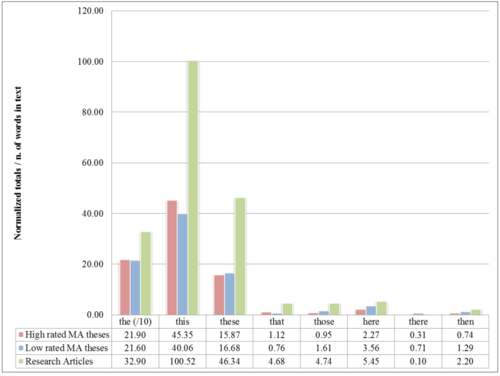
Figure 24 Cohesive demonstrative reference
A jegyzet hozzáadásához kérjük, lépj be!
Hivatkozások
Válaszd ki a számodra megfelelő formátumot:
| Harvard: | Jenei Gabriella (2024): Referential Cohesion in Academic Writing. : Akadémiai Kiadó.
https://doi.org/10.1556/9789636640491Letöltve: https://uat.mersz.hu/hivatkozas/m1211rciaw_145_p8/#m1211rciaw_145_p8 (2026. 10. 11.)
| |
| Chicago: | Jenei Gabriella. 2024. Referential Cohesion in Academic Writing. : Akadémiai Kiadó.
https://doi.org/10.1556/9789636640491(Letöltve: 2026. 10. 11.https://uat.mersz.hu/hivatkozas/m1211rciaw_145_p8/#m1211rciaw_145_p8) | |
| APA: | Jenei G. (2024). Referential Cohesion in Academic Writing. Akadémiai Kiadó.
https://doi.org/10.1556/9789636640491. (Letöltve: 2026. 10. 11.https://uat.mersz.hu/hivatkozas/m1211rciaw_145_p8/#m1211rciaw_145_p8) |
It is beyond doubt that in academic writing the main source of cohesive reference is demonstrative reference. Out of the demonstratives, the definite article stands out with its most versatile capacity to establish ties over short or longer distances, and between two or several items, often specified by determiners or modifiers. As the definite article only establishes identity of reference, it is this item where lexical relationships are crucial.
A jegyzet hozzáadásához kérjük, lépj be!
Hivatkozások
Válaszd ki a számodra megfelelő formátumot:
| Harvard: | Jenei Gabriella (2024): Referential Cohesion in Academic Writing. : Akadémiai Kiadó.
https://doi.org/10.1556/9789636640491Letöltve: https://uat.mersz.hu/hivatkozas/m1211rciaw_table_29/#m1211rciaw_table_29 (2026. 10. 11.)
| |
| Chicago: | Jenei Gabriella. 2024. Referential Cohesion in Academic Writing. : Akadémiai Kiadó.
https://doi.org/10.1556/9789636640491(Letöltve: 2026. 10. 11.https://uat.mersz.hu/hivatkozas/m1211rciaw_table_29/#m1211rciaw_table_29) | |
| APA: | Jenei G. (2024). Referential Cohesion in Academic Writing. Akadémiai Kiadó.
https://doi.org/10.1556/9789636640491. (Letöltve: 2026. 10. 11.https://uat.mersz.hu/hivatkozas/m1211rciaw_table_29/#m1211rciaw_table_29) |
Table 26 Percentage of cohesively used demonstrative reference items
A jegyzet hozzáadásához kérjük, lépj be! HivatkozásokVálaszd ki a számodra megfelelő formátumot:
 |
A jegyzet hozzáadásához kérjük, lépj be!
Hivatkozások
Válaszd ki a számodra megfelelő formátumot:
| Harvard: | Jenei Gabriella (2024): Referential Cohesion in Academic Writing. : Akadémiai Kiadó.
https://doi.org/10.1556/9789636640491Letöltve: https://uat.mersz.hu/hivatkozas/m1211rciaw_145_p11/#m1211rciaw_145_p11 (2026. 10. 11.)
| |
| Chicago: | Jenei Gabriella. 2024. Referential Cohesion in Academic Writing. : Akadémiai Kiadó.
https://doi.org/10.1556/9789636640491(Letöltve: 2026. 10. 11.https://uat.mersz.hu/hivatkozas/m1211rciaw_145_p11/#m1211rciaw_145_p11) | |
| APA: | Jenei G. (2024). Referential Cohesion in Academic Writing. Akadémiai Kiadó.
https://doi.org/10.1556/9789636640491. (Letöltve: 2026. 10. 11.https://uat.mersz.hu/hivatkozas/m1211rciaw_145_p11/#m1211rciaw_145_p11) |
Nevertheless, as Table 26 shows, only 29–30% of noun phrases with a definite article contributed to the referential cohesion of the corpora. The items that were most likely to establish a referential tie were this, these and here, that is, the ones that indicate proximity of the presupposed item, and as such, they always had a presupposed item within a maximum of two intervening sentences. This presupposed item might have been a definite lexical element from a longer chain with a lexical repetition of the original presupposed item. The item that was highly frequent in all corpora, but almost always appeared as part of a defining relative clause. Similarly, there was rarely a cohesive item, but was part of an existential clause.